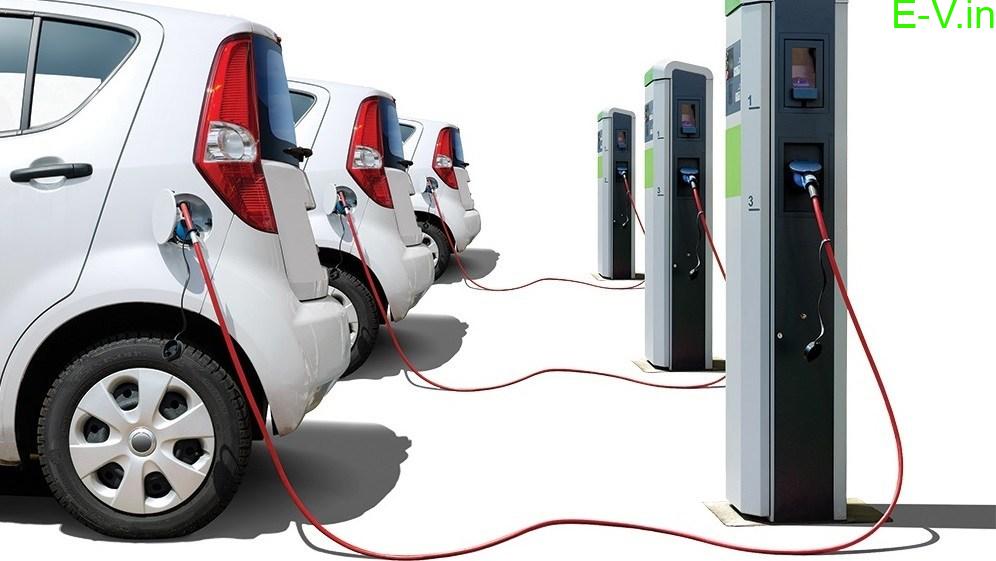
Company cars are one of the most desirable perks for employees, providing access to a (usually) brand new and fully maintained vehicle that’s also available outside work hours. Unfortunately, this doesn’t come for free. If you’re using a company-owned car for private journeys then HMRC class it as a Benefit-in-Kind (BiK), and you’ll be taxed for doing so.
Several factors affect the size of that tax bill, but the biggest influence is the car’s CO2 emissions. Company cars are taxed based on what’s called a ‘taxable value’ – which is a percentage of their list price, weighted against vehicles that emit the most CO2 at the tailpipe.
Although electric vehicles have a higher list price than their petrol or diesel counterparts, they are rated at 0g/km CO2 and fall into a much lower tax band.
Company car tax bands are currently frozen until April 2025, which means drivers are taxed on just 2% of the list price if they choose an electric vehicle. That compares to 25% or higher for even the most efficient petrol, diesel or so-called ‘self-charging’ hybrid models.
Although the tax bands will increase every April from 2025 onwards, in line with the new financial year, HM Treasury has confirmed that those incentives will remain in place until at least 2028.
Companies tend to sway towards an Electric car nowadays as the full cost of the vehicle is tax deductible against company profits, whereas other cars can only be written down at a much lower percentage. Electric vans are preferable as with a car there has to be an allowance for a private use element meaning part of the cost is disallowable.
For more information please see the following link:- Tax on company benefits: Tax on company cars – GOV.UK (www.gov.uk) Claim capital allowances: Business cars – GOV.UK (www.gov.uk)
 Stature Accountants Ltd